



Silver Earring Hooks: Best Arizona Style Picks 2026
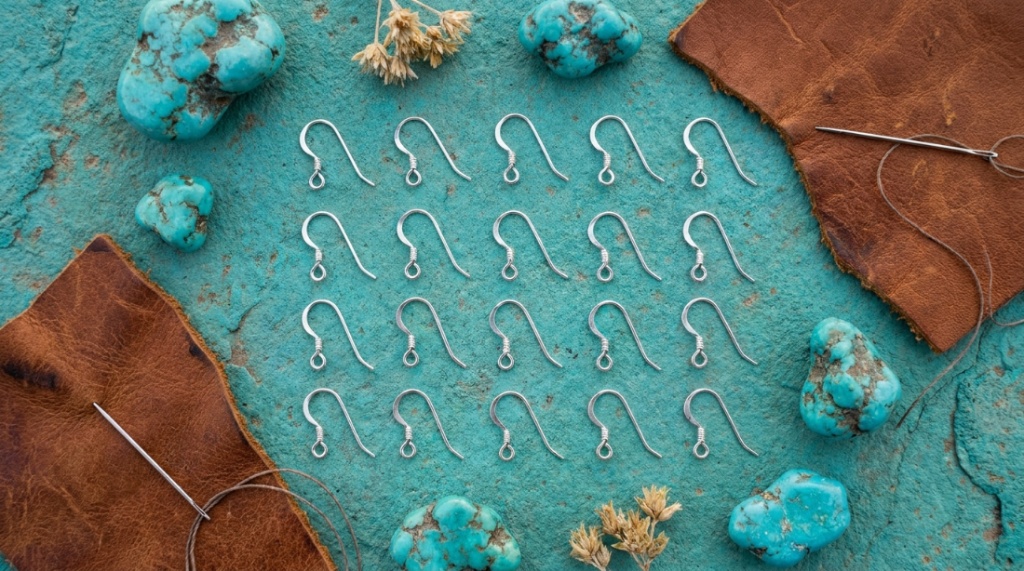
If you make or sell jewelry, the hook you choose affects whether a customer can actually wear the earrings you spent hours creating. Silver earring hooks sit against skin all day, so the material, gauge, and finish matter as much as the design itself. This guide covers what separates a reliable hypoallergenic hook from a cheap one, how Arizona-style silver designs differ, and how to pick hooks that keep customers coming back in 2026.
Key Takeaways
- Sterling silver (925) is the practical standard for sensitive skin because it contains no nickel, the most common metal allergen in cheap earring findings.
- Hook gauge and wire hardness determine how well earrings hold their shape; thin, soft wire bends and irritates piercings over time.
- “Arizona style” refers to the rustic, Southwestern-inspired finish common in desert-region jewelry, not a separate metal or safety standard.
- Buying hooks in bulk lowers per-pair cost, but only if the hooks are consistent in size and finish from batch to batch.
What Makes a Silver Earring Hook Hypoallergenic
A hypoallergenic earring hook is one that avoids the metals most likely to trigger an allergic reaction, primarily nickel and, to a lesser extent, cobalt and chromium. Sterling silver, which is 92.5% silver and 7.5% other metals (usually copper), is widely used for sensitive-skin jewelry because it does not contain nickel.
The word “hypoallergenic” is not regulated, so a seller can print it on any package. What actually matters is the alloy. If you want a hook that a nickel-allergic customer can wear without a reaction, look for a stated 925 sterling silver content rather than a vague “silver-tone” or “silver-plated” description. Plated hooks are usually brass or copper underneath, and once the plating wears thin, the base metal contacts the skin.
Why Nickel Is the Main Problem
Nickel allergy is one of the most common contact allergies worldwide, and it shows up as itching, redness, or a rash at the piercing site. Budget earring hooks often use nickel-containing alloys because they are cheap and easy to form. Switching to properly labeled hypoallergenic earring hooks for jewelry making removes that risk for most sensitive customers, which reduces returns and complaints.
Sterling Silver vs. Other Sensitive-Skin Options
Sterling silver is not the only choice, but it hits a useful balance of price, appearance, and skin tolerance. Here is how the common options compare.
| Material | Nickel Content | Best For | Trade-Off |
|---|---|---|---|
| 925 sterling silver | None | Everyday wear, sensitive skin | Tarnishes over time; needs polishing |
| Titanium | None | Fresh or highly reactive piercings | Harder to shape; limited decorative finishes |
| 14k+ gold | None | Premium pieces | Significantly higher cost |
| Silver-plated brass | Varies | Budget costume jewelry | Plating wears off, exposing base metal |
| Stainless steel | Often trace amounts | Durable casual pieces | Can still trigger reactions in highly sensitive wearers |
How Arizona Style Influences Silver Hook Choice
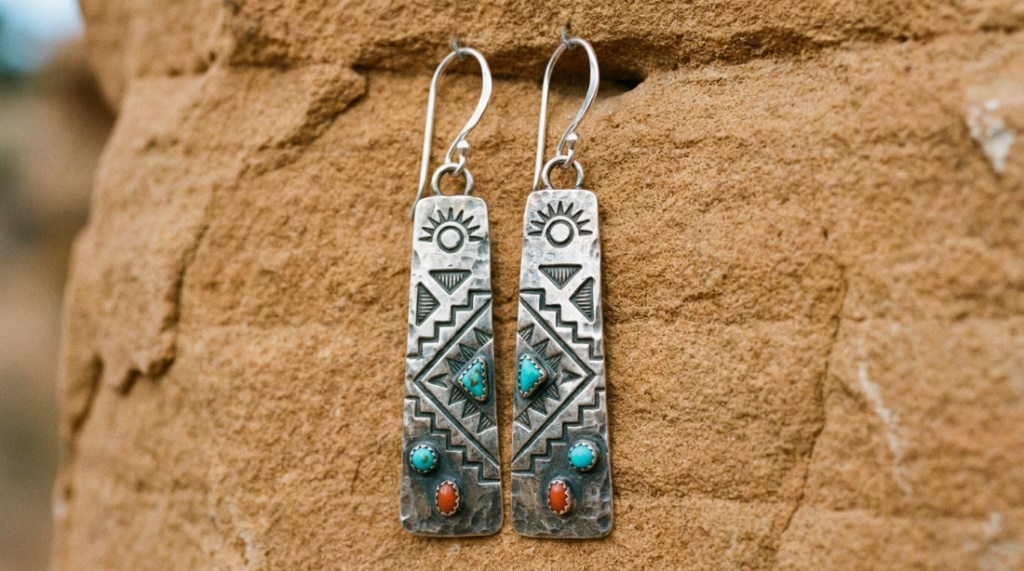
Arizona style in jewelry usually means a Southwestern aesthetic: oxidized or antiqued silver, geometric or tribal-inspired shapes, and a slightly rustic finish that pairs well with turquoise, copper, and leather. This is a design direction, not a different grade of metal, so the underlying hook should still meet the same safety and durability standards as any other sterling silver finding.
Matching Hook Finish to Your Design
A polished hook on a heavily oxidized earring can look mismatched. If your Arizona-style pieces use an antiqued or brushed silver finish, choose hooks with a comparable surface treatment. Many suppliers offer the same hook shape in both bright and oxidized finishes, which lets you keep a consistent look across a collection without changing the metal.
Shape and Weight Considerations
Southwestern designs often include heavier charms or stone settings. A flimsy hook will not hold that weight comfortably. For statement pieces, look for a slightly thicker gauge and a shape with a longer curve, which distributes weight better than a short, simple hook.
Choosing the Right Gauge and Hook Style
Gauge refers to the thickness of the wire. In earring hooks, common sizes range from about 20 gauge (thinner, more delicate) to 18 gauge (thicker, sturdier). The right choice depends on the weight of the finished earring and how often it will be worn.
- 20 gauge: Best for lightweight drop earrings and delicate designs; may bend under heavier charms.
- 19 gauge: A middle ground for everyday earrings with moderate weight.
- 18 gauge: Suited to statement pieces and heavier Arizona-style pendants.
Hook style matters too. French hooks, lever-backs, and ball-end hooks each solve a different problem: French hooks are easiest to put on, lever-backs stay secure during movement, and ball-end hooks prevent the earring from slipping forward. For a customer-prone collection, lever-backs often reduce lost-earring complaints, if you are planning your big day, take a look at elegant winter wedding hairstyles for american brides to complete your seasonal look.
A Common Mistake: Overlooking Wire Hardness
Two hooks can be the same gauge but behave differently. Wire that is too soft bends out of shape after a few wears, which is uncomfortable and looks worn. Wire that is too hard is difficult for you to shape consistently. Sterling silver in a half-hard temper usually offers the best balance for handmade jewelry.
Where Quality Actually Shows Up in Bulk Hooks
If you sell jewelry, you are buying hooks in quantity, and consistency becomes the real issue. Inexpensive bulk packs sometimes vary in length, curve, and polish from one hook to the next, which shows in finished pieces.
Check these points before committing to a supplier:
- Confirm the stated silver purity, ideally 925, rather than a vague “sterling silver” label with no number.
- Ask whether the hooks are sold by weight or by piece, since this affects how predictable your per-pair cost is.
- Order a small sample first and compare hook length and curve across the batch.
- Check that the finish is even, with no sharp edges that could scratch a piercing.
Price vs. Value
Cheaper hooks save money per unit, but a single customer reaction can cost you far more than the difference. For businesses selling to sensitive-skin buyers, the small premium for verified sterling silver is usually worth it. For purely decorative, short-wear costume pieces, a lower-cost option may be acceptable, as long as you are honest about the material.
Care and Longevity for Silver Hooks
Sterling silver tarnishes when it reacts with sulfur compounds in air and on skin. This is normal, not a defect. Storing hooks in an airtight bag with anti-tarnish strips slows the process, and a soft polishing cloth restores shine quickly. Avoid abrasive cleaners on thin hook wire, since they can wear down the surface.
If you are selling finished earrings, a short care note explaining how to store and clean silver helps set expectations and reduces “it turned color” complaints.
Frequently Asked Questions
Are sterling silver earring hooks truly hypoallergenic?
Sterling silver contains no nickel, which is the most common cause of earring reactions, so most sensitive-skin wearers tolerate it well. A small number of people react to the copper in the alloy, so it is not a universal guarantee.
What gauge hook should I use for handmade earrings?
Use 20 gauge for light earrings, 19 gauge for average everyday weight, and 18 gauge for heavier statement pieces. Matching gauge to weight keeps hooks from bending and keeps earrings comfortable.
Does Arizona style mean a different type of silver?
No. Arizona or Southwestern style describes the look, such as oxidized or antiqued finishes and rustic shapes. The metal should still be standard sterling silver or another hypoallergenic material.
How do I stop silver hooks from tarnishing?
Store them in an airtight container with anti-tarnish material, keep them away from moisture and sulfur-heavy environments, and polish gently with a soft cloth. Tarnish is surface-level and does not damage the metal.
Can I use silver-plated hooks for sensitive customers?
It is risky. Silver plating wears through over time and exposes the base metal underneath, which often contains nickel. For sensitive-skin customers, solid sterling silver or titanium is the safer choice.
Conclusion
The right silver earring hook comes down to three things: verified sterling silver content, a gauge that matches the weight of your design, and a finish that fits your Arizona-style look. Buy a small sample first, check consistency across the batch, and treat hypoallergenic material as a selling point rather than an afterthought. For makers selling to sensitive-skin customers, that small upgrade in hook quality protects both the wearer and your reputation.
