




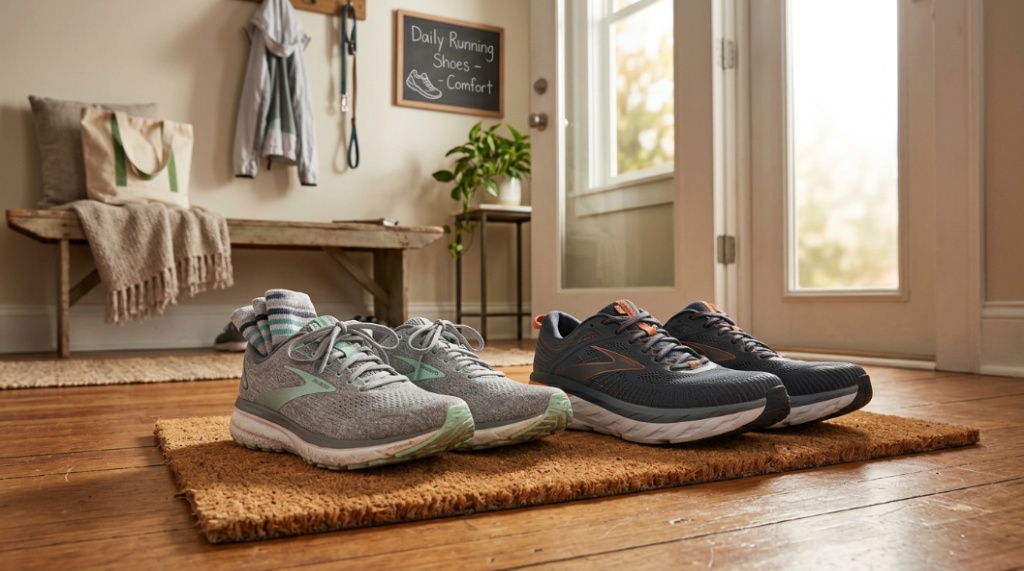
How to Select Daily Running Shoes for Maximum Comfort
Daily running shoes men are versatile trainers designed for regular mileage, offering balanced cushioning, durability, and support for everyday workouts and walking. Choose a pair based on foot type, cushioning level, running surface, fit, and durability to maximize comfort and injury prevention.
Why choosing the right daily running shoes matters more than most runners think
Most runners assume discomfort is part of the process. Sore arches. Tight calves. Heavy legs. But in many cases, the real issue isn’t training intensity—it’s wearing the wrong shoes.
Daily running shoes men rely on should provide consistent cushioning, stability, and shock absorption across hundreds of weekly steps. Without those features, repetitive stress increases the risk of plantar fasciitis, shin splints, knee pain, and fatigue-related injuries.
Daily running shoes are multipurpose trainers built for regular mileage, walking, gym sessions, and casual wear. Unlike racing shoes or trail shoes, they prioritize long-term comfort and durability rather than speed or terrain grip.
If your shoes feel stiff, uneven, or unstable after short runs, they’re not doing their job. The right pair improves stride efficiency, reduces joint load, and supports recovery between runs. Selecting properly can transform how running feels day after day.
What makes daily running shoes different from other running shoes?
Daily running shoes are designed for consistent training mileage and long-term comfort, unlike racing shoes built for speed or trail shoes designed for rugged terrain.
Most runners benefit from owning one reliable daily trainer. These shoes support repetitive movement patterns and absorb impact across varied surfaces like asphalt, treadmill belts, and sidewalks.
- Balanced cushioning for moderate-distance runs
- Durable rubber outsole for repeated pavement contact
- Neutral or stability support depending on foot mechanics
- Breathable upper mesh for temperature control
- Moderate weight for versatility
Studies from the American Academy of Orthopaedic Surgeons indicate repetitive impact forces during running can reach 2–3 times body weight per stride. Proper cushioning reduces cumulative joint stress significantly over time.
Can daily running shoes be used for walking and gym workouts?
Yes, daily running shoes are versatile enough for walking, light gym sessions, and casual wear due to their balanced support and cushioning.
This makes them the most practical footwear category for runners who train frequently but prefer owning fewer pairs.
How should daily running shoes men choose based on foot type?
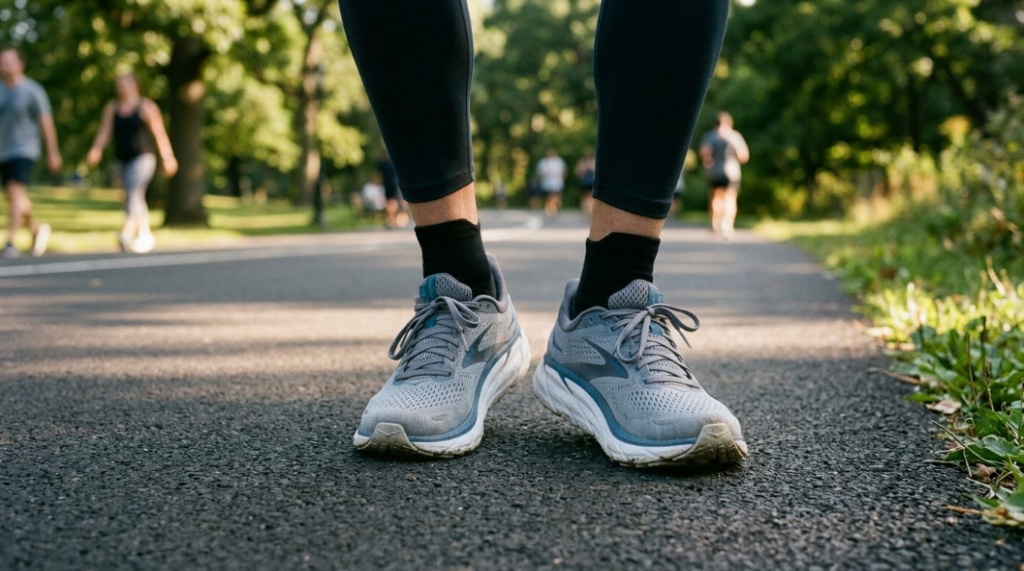
Choose daily running shoes based on whether your foot arch is neutral, flat, or high to ensure proper stability and alignment.
Foot structure determines how your body absorbs impact during movement. Incorrect support increases strain on ankles, knees, and hips.
| Foot Type | Recommended Shoe Type | Key Feature |
|---|---|---|
| Neutral arch | Neutral running shoe | Balanced cushioning |
| Flat feet | Stability shoe | Arch reinforcement |
| High arch | Cushioned shoe | Shock absorption |
A gait analysis at a running store can confirm your foot mechanics within minutes.
How do you check your arch type at home?
Step onto a wet surface and observe your footprint shape to estimate arch height.
A full footprint suggests low arches, while a narrow midfoot print indicates high arches.
What cushioning level is best for everyday running comfort?
Moderate cushioning is best for daily running because it balances shock absorption with responsiveness.
Too little cushioning increases joint stress. Too much cushioning reduces ground stability.
Most daily trainers fall into three cushioning categories:
- Low cushioning: better for speed workouts
- Moderate cushioning: ideal for daily training
- Max cushioning: best for recovery runs or heavier runners
Research published in the Journal of Sports Science & Medicine suggests runners experience lower perceived fatigue when wearing moderately cushioned trainers during routine mileage sessions.
Are max-cushion running shoes better for beginners?
Yes, beginners often benefit from extra cushioning because it reduces impact stress while adapting to running routines.
However, experienced runners usually prefer moderate cushioning for better responsiveness.
How important is shoe fit when selecting daily running shoes men need?
Proper fit is the most critical factor because even high-quality shoes cause discomfort if sizing is incorrect.
Running shoes should feel secure but not tight. Toes must have room to move during forward motion.
Follow these fit guidelines:
- Leave a thumb-width gap in the toe box
- Ensure heel lockdown without slipping
- Avoid pressure across the midfoot
- Test shoes later in the day when feet expand
Poor fit contributes to blisters, toenail damage, and nerve compression.
Should running shoes feel tight at first?
No, daily running shoes should feel comfortable immediately because they do not significantly stretch over time.
If discomfort exists during testing, it usually worsens during runs.
What role does midsole material play in comfort?
The midsole determines cushioning quality, energy return, and durability in daily running shoes.
Modern midsoles typically use EVA foam, TPU blends, or nitrogen-infused compounds.
- EVA foam: lightweight and affordable
- TPU foam: higher energy return
- Nitrogen-infused foam: softer and more responsive
Energy-return foams help reduce fatigue during repeated training sessions.
Does midsole softness affect injury risk?
Yes, softer midsoles absorb impact better but must remain stable to prevent ankle instability.
Balanced cushioning reduces repetitive stress injuries.
How does running surface influence shoe selection?
Choose daily running shoes based on whether you run primarily on roads, treadmills, or mixed terrain.
Surface friction changes outsole requirements and cushioning needs.
- Road running: smoother outsole, moderate cushioning
- Treadmill running: lightweight breathable design
- Mixed terrain: durable rubber grip
Urban runners benefit most from durable road trainers with reinforced outsoles.
Can road running shoes handle light trail use?
Yes, daily trainers can handle light trails but lack traction for technical terrain.
Trail-specific shoes are safer for uneven surfaces.
How heavy should daily running shoes be for maximum comfort?
Daily running shoes should weigh between 250 and 320 grams for optimal comfort and durability balance.
Lighter shoes improve efficiency but may sacrifice cushioning longevity.
Heavier shoes often provide:
- Better shock absorption
- Higher outsole durability
- Improved structural stability
Comfort usually improves when shoe weight matches training intensity rather than chasing ultra-light models.
How long do daily running shoes typically last?
Most daily running shoes last between 500 and 800 kilometers depending on body weight, surface, and running style.
Replacing shoes on time prevents joint stress and performance decline.
Signs replacement is needed include:
- Flattened midsole cushioning
- Uneven outsole wear
- Heel instability
- Persistent soreness after runs
Tracking mileage through running apps improves replacement timing accuracy.
Can worn-out shoes cause injuries?
Yes, degraded cushioning increases impact stress and raises injury risk over time.
Timely replacement supports long-term running consistency.
Should daily running shoes men choose breathable uppers?
Yes, breathable mesh uppers improve airflow and reduce moisture buildup during extended runs.
Ventilation prevents overheating and friction-related discomfort.
Look for:
- Engineered mesh construction
- Flexible forefoot panels
- Reinforced heel collar
Breathability becomes especially important in warm climates or humid environments.
Are stability shoes necessary for daily runners?
Stability shoes are necessary only for runners with overpronation or flat arches.
Neutral runners typically perform better in flexible cushioned trainers.
Indicators stability shoes may help include:
- Excessive inward ankle roll
- Recurring knee discomfort
- Uneven outsole wear patterns
Consulting gait analysis improves selection accuracy.
How should beginners select their first daily running shoes?
Beginners should prioritize comfort, cushioning, and fit over brand or design.
A reliable starter shoe supports adaptation to new running routines.
Recommended beginner features:
- Moderate cushioning
- Neutral support structure
- Flexible forefoot movement
- Durable rubber outsole
Consistency matters more than technical features during early training stages.
Conclusion: What is the smartest way to choose daily running shoes for long-term comfort?
The smartest approach to selecting daily running shoes men rely on is matching cushioning level, support structure, and fit to your foot mechanics and training routine.
Comfort should always come before aesthetics or brand preference. A well-fitted daily trainer reduces fatigue, improves stride efficiency, and lowers injury risk across months of regular training.
Start by identifying your arch type. Choose moderate cushioning for versatility. Confirm toe-box space and heel stability. Replace shoes after mileage limits. These steps create a reliable foundation for consistent running progress.
Investing time in selecting the right daily running shoe improves performance and protects long-term joint health. Evaluate your current pair today and upgrade if comfort feels compromised.
FAQ: Common questions about daily running shoes men should know
How often should daily running shoes be replaced?
Daily running shoes should typically be replaced every 500–800 kilometers to maintain cushioning effectiveness and injury protection.
Can daily running shoes be used for long-distance training?
Yes, most daily trainers support long-distance runs because they provide balanced cushioning and durability.
Is it better to buy running shoes half a size bigger?
Yes, runners often choose half a size larger to allow toe movement during forward stride expansion.
Do expensive running shoes improve comfort?
Not always. Proper fit and support matter more than price when selecting daily running shoes.
Are lightweight running shoes better for daily use?
Lightweight shoes improve speed but moderate-weight trainers offer better durability for daily mileage.
Should daily running shoes be rotated?
Yes, rotating between two pairs extends shoe lifespan and improves cushioning recovery between runs.
Can daily running shoes prevent knee pain?
Properly fitted daily trainers reduce impact stress and may help lower knee discomfort during regular training.
Read More Also: Travel Tote Bag vs Backpack Which Is Better for Women Travelers?
Discover More: What young people experience with mental health
