




How to Look Effortlessly Stylish: Not Too Tight, Not Too Baggy Outfit Guide
Getting dressed should feel simple. Yet so many people stand in front of their wardrobe every morning and feel completely lost. The secret to looking put-together is not spending more money or owning more clothes. It comes down to one thing — fit. Wearing clothes that fit just right makes any outfit look intentional. This guide will show you how to master that sweet spot between too tight and too baggy.
Why Fit Is Everything in Fashion
Think about the last time someone walked into a room and looked incredibly stylish. Chances are, their clothes fit them well. Nothing was pulling at the seams. Nothing was swimming around them either. That balance is what creates a polished, effortless look.
When clothes are too tight, they highlight every bump and restrict your movement. When they are too baggy, they hide your shape and make you look sloppy. Therefore, the ideal fit sits comfortably between those two extremes. It skims the body without clinging and has enough room to move without excess fabric bunching up.
The good news is that this works for every body type. Fit is not about size. It is about proportion. Once you understand that, getting dressed becomes a lot easier.
Understanding Your Body Proportions
Before you can dress well, you need to understand your proportions. Everyone has a different body shape. Some people have broader shoulders. Others carry weight in their hips. Some have long torsos or short legs. Knowing your proportions helps you choose clothes that flatter your natural frame.
You do not need to obsess over your body type. However, a basic understanding helps you shop smarter. For example, if you have a shorter torso, high-waisted bottoms can make your legs look longer. If you have broader shoulders, a slightly relaxed top can soften that look without adding bulk.
Additionally, understanding your proportions helps you avoid the most common fit mistakes. Wearing a cropped jacket when you have a long torso can look awkward. Wearing wide-leg trousers when you are petite can overwhelm your frame. Small adjustments based on your proportions can make a big difference.
The Golden Rules of Fit
There are a few universal rules that apply to almost everyone. These rules are simple. They are also easy to follow once you know what to look for.
Shoulders Should Always Line Up
The shoulder seam of any top, shirt, jacket, or dress should sit right at the edge of your shoulder. This is the most important fit rule of all. If the seam falls too far down your arm, the whole garment will look oversized and sloppy. If it sits too close to your neck, the garment is too small. A correct shoulder fit sets the foundation for everything else.
Fabric Should Lie Flat
When you are wearing a well-fitted garment, the fabric lies flat against your body. It does not pull sideways, bunch up, or create horizontal wrinkles. Pulling means the item is too tight. Bunching or excess fabric means it is too loose. Always look for smooth, clean lines.
You Should Be Able to Move Freely
Fit is not just about how something looks. It is also about how it feels. You should be able to sit, raise your arms, and walk without restriction. If a pair of trousers makes you waddle or a blazer strains when you lift your arms, those items do not fit correctly. Comfort and appearance go hand in hand.
Hems Matter More Than You Think
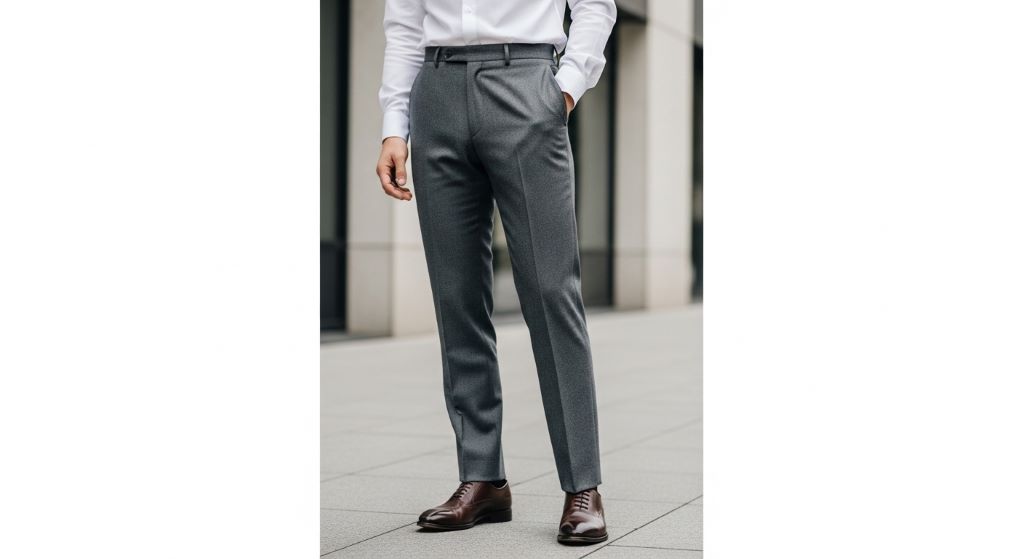
The hem of your trousers, for example, can completely change how your outfit reads. Trousers that are too long bunch at the ankle and look sloppy. Trousers that are too short can look unintentional. A clean break at the top of the shoe is ideal for most trouser styles. Similarly, shirt hems should hit at the right point — not too high and not too low.
How to Dress the Top Half
Your top half includes everything from shirts and blouses to jackets and knitwear. Here is how to get the fit right for each.
Shirts and Tops
A well-fitted shirt should not pull across the chest or back. Buttons should lie flat without any gaping. The collar should sit comfortably without digging into your neck. Sleeves should end right at your wrist bone. If your shirt is too baggy overall but fits well in the shoulders, a tailor can take in the sides. That simple alteration can transform an average shirt into a great one.
For casual tops like T-shirts, you have a little more flexibility. A slightly relaxed fit looks modern and intentional. However, a T-shirt that reaches your mid-thigh and has sleeves dropping to your elbows has crossed from relaxed into oversized. There is a difference between a considered relaxed fit and something that simply does not fit.
Jackets and Blazers
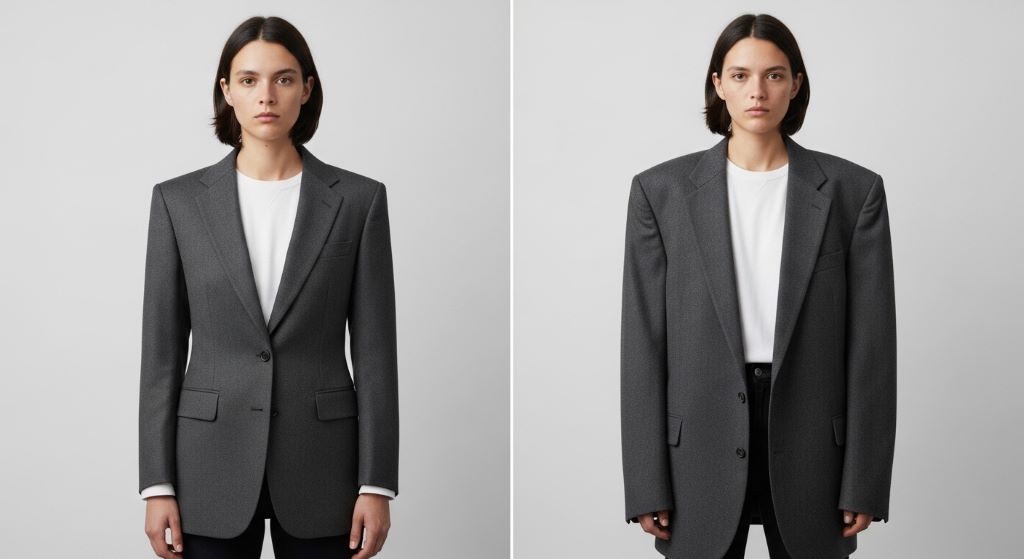
Jackets are where fit matters the most. A well-tailored blazer can elevate any outfit instantly. The shoulders must align perfectly, as mentioned earlier. The jacket should button without pulling, and you should see a clean line from shoulder to hem. The sleeves of the jacket should show just a sliver of your shirt cuff — around half an inch. This detail alone signals polish and attention to detail.
When it comes to casualwear like denim or bomber jackets, a slightly roomier fit works well. However, even casual outerwear should not swallow you whole. Opt for a relaxed fit rather than an oversized one unless that is a deliberate style choice you are making.
Knitwear and Jumpers
Knitwear is forgiving by nature because it stretches. Still, a jumper that is three sizes too large will look shapeless. Look for knitwear that gently follows your silhouette. A slightly oversized knit can look cosy and stylish — especially when balanced with slimmer bottoms. That leads us to one of the most useful rules in dressing well.
How to Dress the Bottom Half
Your trousers, jeans, skirts, and shorts deserve the same attention as your top half.
Trousers and Jeans
Trousers should sit comfortably at your waist or hips without a belt doing all the work. If you need to cinch several inches of fabric with a belt, the trousers are too big. Through the seat and thighs, there should be enough room to move without tightness. The leg should taper or flow in proportion to the rest of the trouser — not pinch and not flap in the wind.
Jeans are a special case. A good pair of jeans flatters without digging in. The waistband should sit flush against your body without a gap at the back. The thighs should not be strained. Skinny jeans should hug the leg without cutting off circulation. Straight-leg jeans should fall cleanly from thigh to hem. Wide-leg jeans should have enough fabric to drape gracefully but not so much that you are tripping over them.
Skirts and Dresses
Skirts should sit at the intended waistline without rolling down or riding up. The fabric across the hips should lie flat. If you see pulling or horizontal lines across the hips, the skirt is too tight. If it is shifting around constantly, it may be too loose.
Dresses require checking the fit across the shoulders, bust, waist, and hips all at once. That is why finding a well-fitted dress can feel harder. However, when you find one that works, it is one of the easiest outfits to put together.
Balancing Proportions: The Volume Rule
One of the most practical style principles is the volume rule. It is simple. If your top is loose or voluminous, balance it with something slimmer on the bottom. If your trousers are wide-leg or flowy, pair them with a more fitted top.
For example, an oversized linen shirt looks great with slim tailored trousers or straight-leg jeans. A flowy midi skirt pairs well with a tucked-in fitted T-shirt. Wide-leg trousers look polished with a snug ribbed top. This balance stops any outfit from looking overwhelming or shapeless.
That said, there are no absolute rules in fashion. Some people pull off volume on volume beautifully. However, for those still finding their style, the volume rule is a helpful starting point.
Tailoring: Your Secret Weapon
Even the most expensive clothes sometimes need tailoring. Off-the-rack garments are made for an average body. Very few people are exactly average in every dimension. Therefore, even a garment that fits well in one area might need adjustment in another.
Tailoring does not have to be expensive. Hemming trousers, taking in the waist of a dress, or shortening a jacket sleeve are all affordable alterations. These small changes can make a garment look custom-made for you. If you buy quality basics and have them tailored to fit, you will always look more stylish than someone wearing expensive items that do not quite fit.
Shopping Tips for Getting the Right Fit
Shopping smart saves you time and money. Here are a few practical tips to keep in mind.
- Always try clothes on before buying, even if you know your size. Sizing varies wildly between brands.
- Move around in the fitting room. Sit down, raise your arms, and walk. If anything restricts your movement or rides up, try a different size.
- Do not shop by size alone. The number or letter on the label means nothing if the garment does not fit.
- When shopping online, check the measurements rather than just the size guide. Compare them against your own measurements.
- If something fits perfectly in one area but not another, consider whether a simple alteration could fix the issue. If yes, it might still be worth buying.
Building a Wardrobe That Always Fits
The most stylish wardrobes are built on well-fitted basics. A few well-fitting pieces in neutral colours will always serve you better than a wardrobe full of things that almost fit. Start with the essentials — a white shirt, a well-fitted pair of trousers, a blazer, a good pair of jeans, and a versatile dress or a few quality knits. Make sure each of these fits you perfectly.
From there, you can add personality through accessories, colour, and texture. However, the foundation of every great outfit is a proper fit. When your clothes fit well, you look and feel more confident. That confidence is, ultimately, what makes someone look effortlessly stylish.
Conclusion
Looking stylish does not require a designer wardrobe or a celebrity stylist. It requires paying attention to fit. Clothes that sit just right — not too tight, not too baggy — create a polished, intentional look that works for any occasion. Start by understanding your proportions, follow the basic rules of fit, and use the volume rule to balance your outfits. Do not be afraid to visit a tailor for small adjustments. Finally, build your wardrobe around well-fitted basics rather than chasing trends. When fit becomes your priority, getting dressed every morning becomes a pleasure rather than a struggle.
Frequently Asked Questions
How do I know if my clothes fit correctly?
The fabric should lie flat without pulling or bunching. Shoulder seams should align with your actual shoulders. You should be able to move comfortably without any restriction. If you meet these three criteria, your clothes fit well.
Is it worth spending money on tailoring?
Yes. Tailoring is one of the best investments you can make in your wardrobe. Even inexpensive clothes look much better when they are altered to fit your body. Common alterations like hemming or taking in a waist are usually affordable.
Can I pull off oversized clothing and still look stylish?
Absolutely. Oversized clothing can look very intentional and modern. The key is to balance volume. Pair an oversized top with slim bottoms, or vice versa. Avoid wearing oversized pieces from head to toe unless you are confident in that specific look.
What should I do if I fall between two sizes?
It depends on the garment. For tops and jackets, go up a size and have it tailored if needed, since fit across the shoulders is hardest to alter. For trousers, going up a size and taking in the waist is often easier than dealing with tight thighs. Always prioritise fit in the hardest-to-alter areas.
Does the fit rule apply to all body types?
Yes. Fit is not about having a specific body type. It is about proportion and balance. Clothes that fit well look good on every body because they work with your natural shape rather than against it. The specific details of what “fits well” may vary, but the principle is universal.
Related Topics:
How to Make a Long Dress Shorter Temporarily
