




From Regenerative Fibers to Circular Systems: Textile Exchange 2026
The textile and apparel industry is facing a turning point. Climate pressures, new regulations, and shifting consumer expectations are reshaping how fibers are grown, processed, and reused. The Textile Exchange Conference 2026 brings together the people working to solve these challenges.
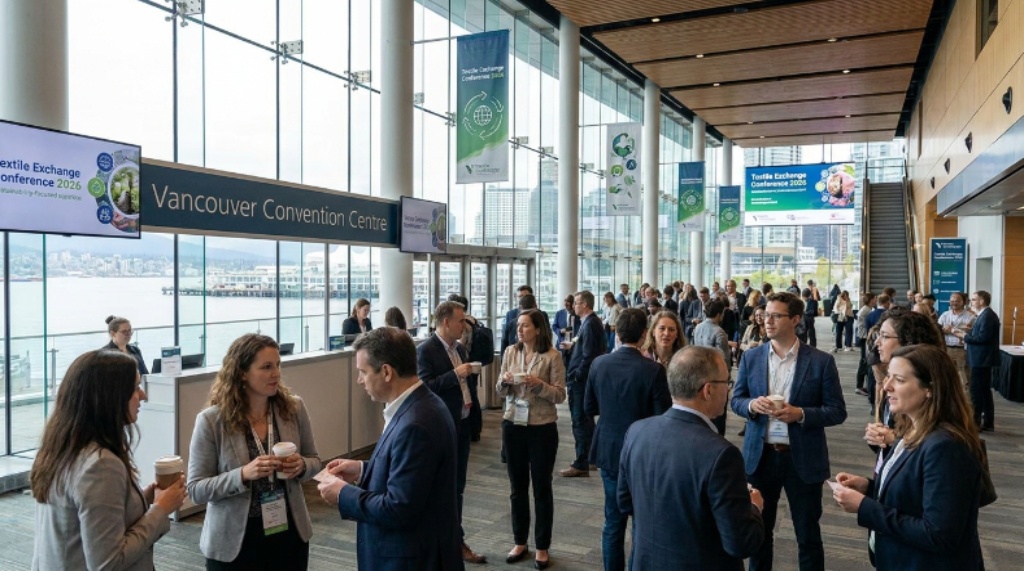
This year’s event takes place from October 13 to 17, 2026, in Vancouver, Canada. It will be held at the Vancouver Convention Centre, with sessions held on the unceded territories of the xʷməθkʷəy̓əm (Musqueam), Sḵwx̱wú7mesh (Squamish), and səlilwətaɬ (Tsleil-Waututh) Nations. Thousands of delegates from brands, manufacturers, NGOs, and policy organisations are expected to attend. Therefore, if you work anywhere in the fiber and materials supply chain, this conference deserves a place on your calendar.
What Is the Textile Exchange Conference?
Textile Exchange is a global non-profit organisation. Its mission is to drive the adoption of preferred fibers, materials, and production systems across the textile industry. The annual conference is its flagship event. It gathers fashion brands, raw material producers, certifiers, sustainability experts, and innovators in one place.
The conference is not simply a series of presentations. It functions as a working session for the entire industry. Attendees come to share knowledge, challenge assumptions, and build the partnerships needed to scale solutions. Additionally, the event reflects Textile Exchange’s broader Climate+ strategy, which focuses on reducing greenhouse gas emissions, protecting biodiversity, and improving water use across fiber and material production.
This year, the conference is guided by the launch of new action pathways. These pathways support the adoption of preferred cropping systems, recycling systems, and animal material production systems. Therefore, the 2026 programme focuses heavily on turning ambition into action. The goal is to move from setting targets to delivering measurable change.
Dates, Venue and Location Details
The Textile Exchange Conference 2026 runs from Tuesday, October 13, to Saturday, October 17, 2026. It takes place at the Vancouver Convention Centre in Vancouver, British Columbia, Canada.
Vancouver offers excellent international connectivity, with a major airport and strong rail and transit links to the city centre. The Vancouver Convention Centre itself is located on the waterfront, within walking distance of hotels, restaurants, and the downtown core. This makes it convenient for delegates travelling from across North America, Europe, Asia, and beyond.
Holding the conference on the traditional territories of the Musqueam, Squamish, and Tsleil-Waututh Nations is a meaningful choice. It reflects a growing recognition within the sustainability movement of the importance of indigenous knowledge, land stewardship, and cultural respect. Attendees can expect this acknowledgment to be woven into the spirit of the event itself.
Who Attends and Why It Matters
The conference attracts a genuinely international audience. Delegates typically travel from the United States, the Netherlands, the United Kingdom, Bangladesh, Germany, India, and Australia, among many other countries. This diversity reflects the global nature of textile supply chains, where raw materials, manufacturing, and retail often span multiple continents.
Attendees include fashion and textile professionals, sustainability managers, brand executives, fiber and material innovators, and NGO leaders. However, the conference is equally valuable for raw material producers, including farmers and cooperatives working on regenerative agriculture, organic cotton, and responsible animal fiber production.
This mix matters because real change in the textile industry requires alignment across the entire value chain. A brand cannot meet its sustainability targets without producers adopting new practices. Similarly, producers cannot scale those practices without demand and investment from brands and retailers. The conference exists to close that gap by bringing both sides into direct conversation.
Regenerative Fibers: A Core Theme for 2026
Regenerative agriculture is one of the most important themes running through this year’s conference. The approach goes beyond simply reducing harm. It focuses on actively improving soil health, increasing biodiversity, and strengthening the resilience of farming systems that produce natural fibers like cotton, wool, and other plant-based materials.
Textile Exchange’s Regenerative Outcome Framework plays a central role in this conversation. It provides a way to measure outcomes such as soil carbon, water cycles, and biodiversity, rather than focusing only on specific farming practices. This outcome-based approach allows farmers in very different regions and climates to work toward shared goals using methods suited to their local conditions.
Sessions on regenerative fibers typically combine technical detail with real-world storytelling. Farmers and cooperatives often share their own experiences directly with brand representatives. Additionally, field trips offer attendees the chance to see these practices in action. These trips give participants firsthand exposure to the people, places, and practices shaping preferred production systems, rather than relying only on presentations and data.
Circular Systems and the Push for Fiber-to-Fiber Recycling
Circularity is the second major pillar of the 2026 programme. The textile industry produces enormous volumes of waste, and only a small fraction of that waste is currently recycled back into new textiles. Closing this loop is one of the biggest opportunities, and one of the biggest challenges, facing the industry today.
Conversations around circular systems at the conference typically cover several areas. These include fiber-to-fiber recycling technologies, collection and sorting infrastructure, traceability systems that track materials through complex supply chains, and policy frameworks that influence how circular systems can scale.
Regulatory change is accelerating this conversation. In Europe, for example, a Circular Economy Act is expected to reinforce product design requirements, promote fiber-to-fiber recycling, and restrict the destruction of unsold goods. While this regulation is specific to the European Union, its effects ripple across global supply chains. Brands sourcing from or selling into Europe must adapt regardless of where their production takes place. Therefore, even attendees from outside Europe have a strong reason to follow these discussions closely.
Traceability is another recurring theme. As brands face increasing pressure from consumers, regulators, and investors, the ability to track fiber origin and environmental impact has become a strategic necessity rather than a nice-to-have. Conference sessions often showcase the technologies and certification systems making this kind of tracking possible at scale.
Conference Programme: What to Expect
The 2026 programme is built around several core formats designed to encourage both learning and action.
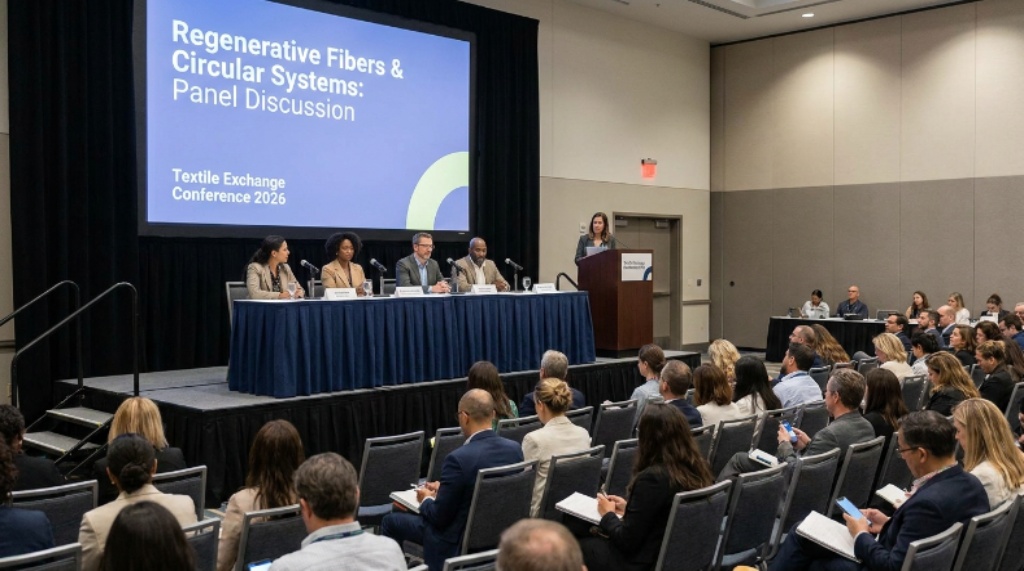
Keynote presentations open major sessions and set the tone for each day. These talks typically feature senior leaders from brands, NGOs, and research organisations, addressing the big-picture challenges facing the industry.
Roundtable dialogues provide a more intimate setting. These breakout sessions focus on supply chain collaboration and innovation, allowing smaller groups to dig into specific issues in depth. Because the format encourages dialogue rather than one-way presentation, these sessions often produce some of the most candid and useful conversations of the week.
The Innovation Showcase puts a spotlight on cutting-edge fibers, materials, and tools. This is where attendees can see emerging solutions up close, from new fiber technologies to digital traceability platforms. For companies developing new materials, this showcase offers valuable visibility in front of an audience of potential partners and buyers.
Field trips round out the experience by taking attendees beyond the convention centre. These trips connect participants directly with the people, places, and practices that are shaping preferred production systems on the ground. For many attendees, these visits are the most memorable part of the entire week.
The Climate and Nature Impact Awards
A highlight of the conference is the announcement of the Climate and Nature Impact Awards. These awards celebrate individuals and partnerships making genuine progress toward a regenerative and equitable materials economy.
Award categories typically recognise achievements across different parts of the value chain, from farmers and producers implementing regenerative practices to brands and organisations driving systemic change. Additionally, the awards ceremony provides a moment of celebration within a conference that otherwise focuses heavily on challenges and unfinished work.
For attendees, the awards offer something valuable beyond recognition. They highlight real examples of what success looks like. Therefore, the case studies behind each award often become reference points for conversations throughout the rest of the conference.
Why This Conference Matters for Your Business
If you work in fashion, textiles, or apparel, the Textile Exchange Conference offers practical value that goes beyond inspiration. The event provides direct access to the people shaping industry standards, certification systems, and regulatory responses.
For brands, attending offers a chance to understand how peers and competitors are approaching shared challenges. It also provides early visibility into emerging materials and technologies that could shape sourcing strategies in the years ahead.
For producers and manufacturers, the conference is an opportunity to connect with brands actively seeking more responsible suppliers. Additionally, smaller organisations and start-ups can use the Innovation Showcase to gain visibility they might struggle to achieve through traditional marketing channels.
For NGOs and policy organisations, the event offers a concentrated audience of decision-makers who can help translate research and advocacy into practical industry action.
How to Prepare for the Conference
A few simple steps can help you get the most out of your time in Vancouver:
- Review the published agenda in advance and identify the sessions most relevant to your role, whether that is sourcing, sustainability, innovation, or policy.
- If a field trip interests you, register early, as these experiences often have limited capacity.
- Set specific goals for the partnerships or conversations you want to have, rather than relying on chance encounters alone.
- Familiarise yourself with Textile Exchange’s Regenerative Outcome Framework before attending sessions on regenerative agriculture, as this framework underpins much of the discussion.
- Book travel and accommodation early, since Vancouver hotel availability can tighten significantly during major conference weeks.
- Bring examples of your own organisation’s progress or challenges. Many of the most valuable conversations happen when attendees share real experiences rather than only listening.
Conclusion
The Textile Exchange Conference 2026 arrives at a critical moment for the fashion and textile industry. Running from October 13 to 17 at the Vancouver Convention Centre, the event brings together brands, producers, NGOs, and innovators to focus on two central themes: regenerative fibers and circular systems. Through keynotes, roundtable dialogues, an Innovation Showcase, field trips, and the Climate and Nature Impact Awards, attendees gain both practical tools and real-world examples of progress. With new action pathways guiding this year’s agenda, the focus has shifted firmly toward turning sustainability commitments into measurable action. For anyone working across the fiber and materials supply chain, this conference offers a rare chance to connect strategy with the people and practices driving change on the ground.
Frequently Asked Questions (FAQs)
When and where does the Textile Exchange Conference 2026 take place?
The conference runs from October 13 to 17, 2026, at the Vancouver Convention Centre in Vancouver, British Columbia, Canada. The event is held on the traditional territories of the Musqueam, Squamish, and Tsleil-Waututh Nations.
Who should attend the Textile Exchange Conference?
The conference is designed for fashion and textile professionals, sustainability managers, brand executives, fiber and material innovators, NGO leaders, and raw material producers. Delegates typically travel from countries including the United States, the United Kingdom, Germany, India, Bangladesh, the Netherlands, and Australia.
What are the main themes of the 2026 conference?
The 2026 programme focuses on regenerative fibers and circular systems. Regenerative agriculture sessions cover soil health, biodiversity, and outcome-based farming practices. Circular systems sessions address fiber-to-fiber recycling, traceability, collection infrastructure, and emerging regulation such as the EU Circular Economy Act.
What types of sessions and activities can attendees expect?
The programme includes keynote presentations, roundtable dialogues, an Innovation Showcase featuring new fibers and technologies, and field trips that give attendees firsthand exposure to regenerative production practices. The week also includes the Climate and Nature Impact Awards ceremony.
What are the Climate and Nature Impact Awards?
These awards celebrate individuals and partnerships making measurable progress toward a regenerative and equitable materials economy. They recognise achievements across the value chain, from farmers practising regenerative agriculture to brands and organisations driving systemic industry change.
Find This Address on Google Maps:
