




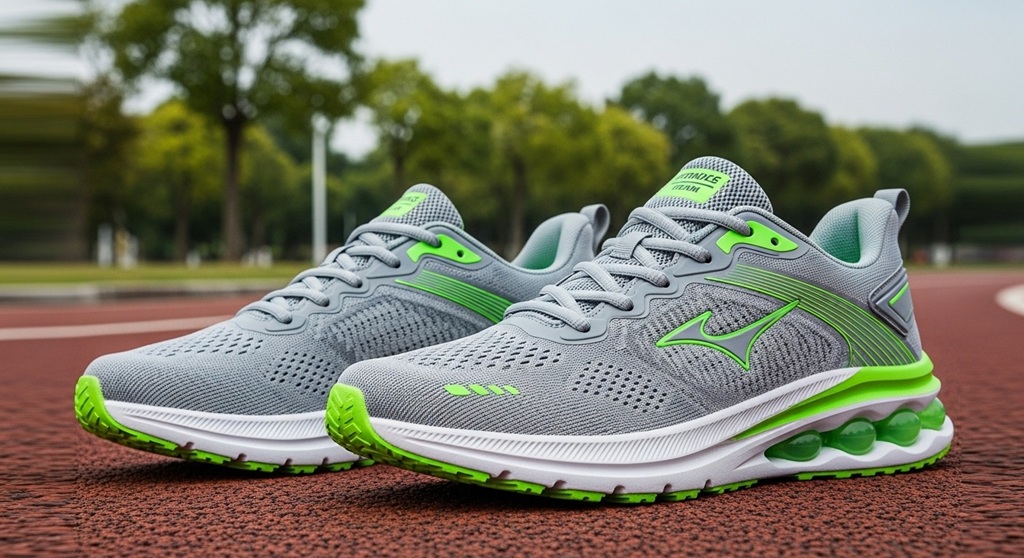
How to Choose Lightweight Running Shoes for Daily Training
Choosing the right running shoes can directly affect comfort, performance, and injury risk. Many runners focus on brand or appearance, but experienced coaches and sports scientists recommend prioritizing weight, breathability, and flexibility. Lightweight running shoes are especially popular for daily training because they reduce fatigue, allow natural foot movement, and improve running efficiency.
According to research published in the Journal of Sports Sciences, reducing shoe weight by just 100 grams can improve running economy by about 1%. While that number may seem small, it becomes significant during long training sessions or weekly mileage buildup.
However, not all lightweight shoes are built the same. Materials, midsole structure, breathability, and durability all influence how the shoe performs over time. Many runners also confuse racing shoes with daily training shoes, which can lead to poor support or faster wear.
This guide explains how to choose lightweight running shoes for daily training using practical criteria. You will learn what breathable running shoes actually do, how flexible running shoes improve stride mechanics, and which running shoe materials provide the best balance between durability and comfort.
If you run regularly—whether for fitness, training, or marathon preparation—understanding these factors will help you choose the right pair and avoid common mistakes.
What Are Lightweight Running Shoes for Daily Training?
Short answer: Lightweight running shoes are training shoes designed to minimize weight while maintaining cushioning, flexibility, and durability for regular mileage.
Daily training shoes must handle repetitive stress. Unlike racing shoes, they are built for comfort over hundreds of miles. The main difference is the balance between weight and support.
Most lightweight trainers weigh between 200 g and 280 g for men and slightly less for women. This range keeps the shoe light enough to reduce fatigue but strong enough to survive everyday runs.
Typical characteristics of lightweight training shoes
- Breathable mesh uppers
- Responsive foam midsoles
- Flexible forefoot construction
- Moderate cushioning
- Durable rubber outsole
Many popular daily trainers such as lightweight versions of traditional running shoes focus on improving airflow and reducing material weight without sacrificing structure.
Why Do Runners Prefer Lightweight Running Shoes?
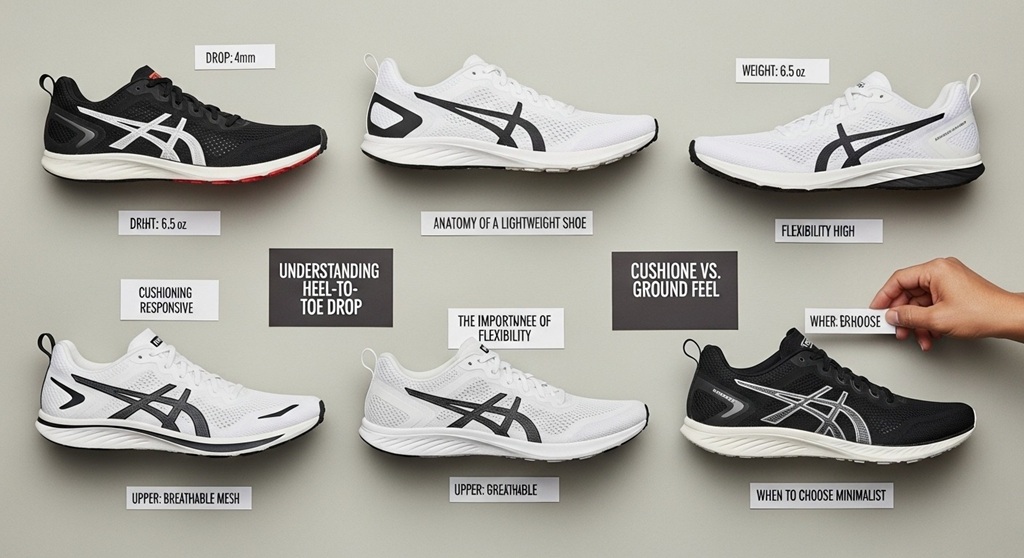
Short answer: Lightweight shoes reduce energy expenditure, improve stride efficiency, and help runners maintain form during long runs.
Running economy refers to how efficiently the body uses oxygen while running. Even small improvements in efficiency can reduce fatigue.
Research data shows a clear relationship between shoe weight and energy cost:
| Shoe Weight Change | Running Economy Impact |
|---|---|
| 100 g lighter per shoe | ~1% improvement in running economy |
| 200 g lighter per shoe | ~2% improvement |
| Heavier training shoes | Higher fatigue during long runs |
For runners covering 30–50 km per week, this difference becomes noticeable.
Lightweight shoes also support faster cadence because the legs move more freely.
How Do Breathable Running Shoes Improve Comfort?
Short answer: Breathable running shoes improve airflow, regulate temperature, and reduce moisture buildup inside the shoe.
During running, feet produce significant heat and sweat. Poor ventilation traps moisture, which can lead to blisters and discomfort.
Breathable running shoes use engineered mesh or knit materials to improve airflow.
Benefits of breathable uppers
- Better temperature regulation
- Reduced sweat accumulation
- Lower blister risk
- Improved comfort during long runs
A 2023 footwear comfort study found that runners wearing breathable mesh shoes reported 18% lower perceived heat compared to synthetic leather uppers.
Look for shoes that use engineered mesh panels rather than dense overlays. The mesh structure allows air circulation while maintaining support.
Why Are Flexible Running Shoes Important for Natural Movement?
Short answer: Flexible running shoes allow the foot to move naturally during the running gait cycle.
The human foot contains 26 bones and over 30 joints. A rigid shoe can restrict this movement.
Flexible running shoes bend easily at the forefoot. This flexibility supports natural toe-off during the push phase of running.
Key advantages of flexible running shoes
- Improved stride mechanics
- Better ground adaptation
- Reduced pressure points
- Enhanced comfort during long runs
However, flexibility must be balanced with stability. Extremely soft shoes may reduce control, especially for runners who overpronate.
A good daily trainer should bend naturally at the forefoot but remain stable through the midfoot.
What Running Shoe Materials Are Best for Lightweight Trainers?
Short answer: The best running shoe materials combine lightweight foam midsoles, breathable mesh uppers, and durable rubber outsoles.
The materials used in running shoes determine durability, flexibility, and cushioning performance.
Common running shoe materials
| Material | Purpose | Benefits |
|---|---|---|
| Engineered Mesh | Upper | Lightweight and breathable |
| Knit Upper | Upper | Flexible and comfortable |
| EVA Foam | Midsole | Lightweight cushioning |
| TPU Foam | Midsole | Higher energy return |
| Rubber | Outsole | Traction and durability |
Modern running shoes often combine multiple materials to optimize performance.
For example, many lightweight trainers use EVA foam with targeted rubber zones to reduce overall weight.
How Much Cushioning Should Lightweight Running Shoes Have?
Short answer: Daily training shoes should provide moderate cushioning to absorb impact without sacrificing responsiveness.
Too little cushioning increases stress on joints. Too much cushioning can reduce ground feel and stability.
Most daily trainers offer 25–35 mm stack height in the heel.
Recommended cushioning based on running style
- Short runs: moderate cushioning
- Long-distance training: higher cushioning
- Speed workouts: lighter and firmer cushioning
Runners training 5–6 days per week usually benefit from moderate cushioning combined with lightweight materials.
What Mistakes Do Runners Make When Choosing Lightweight Shoes?
Short answer: The most common mistake is choosing racing shoes instead of daily trainers.
Racing shoes are extremely lightweight but often lack durability and support for everyday training.
Common mistakes
- Choosing shoes based only on weight
- Ignoring breathability
- Using racing shoes for daily runs
- Not considering foot type
- Buying the wrong size
Many injuries occur because runners select shoes designed for racing rather than regular mileage.
Daily trainers should balance weight, flexibility, and durability.
How Long Do Lightweight Running Shoes Last?
Short answer: Most lightweight running shoes last between 400 and 500 miles.
Durability depends on running style, body weight, and terrain.
Signs you should replace your running shoes
- Flattened midsole cushioning
- Uneven outsole wear
- Increased soreness after runs
- Visible foam compression
Tracking mileage helps prevent injuries caused by worn-out shoes.
How Should Lightweight Running Shoes Fit?
Short answer: Running shoes should provide a snug heel fit with enough toe room for natural foot expansion.
Feet expand during running, especially in long-distance sessions.
General fit guidelines
- Thumb-width space in the toe box
- Secure heel without slipping
- Comfortable midfoot wrap
- No pressure points
Trying shoes in the evening can help simulate natural foot swelling.
Conclusion
Choosing lightweight running shoes for daily training requires more than simply picking the lightest pair on the shelf. The right shoe must balance breathability, flexibility, cushioning, and durability.
Breathable running shoes improve airflow and reduce heat buildup. Flexible running shoes support natural foot movement during each stride. Meanwhile, modern running shoe materials such as engineered mesh and EVA foam help reduce weight while maintaining comfort.
Research consistently shows that lighter footwear improves running efficiency. However, daily training shoes must still provide adequate cushioning and structural support.
If you run regularly, investing time in selecting the right pair can improve performance, prevent injuries, and make every run more comfortable.
Before buying your next pair of running shoes, evaluate the materials, flexibility, breathability, and overall fit. Small details can make a big difference in your long-term training results.
FAQ: Lightweight Running Shoes
Are lightweight running shoes good for beginners?
Yes. Many beginners prefer lightweight trainers because they feel comfortable and reduce fatigue. However, beginners should still prioritize cushioning and support over extremely low weight.
What is the ideal weight for a daily training running shoe?
Most daily trainers weigh between 200 g and 280 g. This range balances durability and performance.
Are breathable running shoes better for long runs?
Yes. Breathable running shoes allow airflow that reduces heat and moisture buildup. This improves comfort during longer runs.
What materials are commonly used in running shoes?
Common running shoe materials include engineered mesh uppers, EVA foam midsoles, TPU cushioning, and rubber outsoles.
How often should running shoes be replaced?
Running shoes typically last 400–500 miles. After that distance, cushioning and support begin to degrade.
Do flexible running shoes reduce injury risk?
Flexible shoes allow more natural foot movement, which may reduce certain stress injuries. However, proper fit and cushioning are also important.
Should daily trainers be the same as racing shoes?
No. Racing shoes are optimized for speed and short-term performance. Daily trainers are designed for durability and long-term comfort.
