






How to Layer Shirts and Jackets Like a Stylist in Fall Fashion
Fall is one of the best seasons for fashion. The cool air gives you the freedom to wear more layers without overheating. However, layering is not just about staying warm. It is a true art form. When done well, layers can make any outfit look more polished, intentional, and stylish.
Many people struggle with layering because they are unsure where to start. They put on one shirt and one jacket, and somehow it does not come together. The good news is that layering like a professional stylist is not as complicated as it looks. Additionally, the rules are flexible once you understand the basic principles. This guide will show you exactly how to layer shirts and jackets the right way for fall.
Why Layering Is a Fall Fashion Essential
Fall weather is unpredictable. In the morning, it might be cold enough for a coat. By the afternoon, you may only need a light shirt. Therefore, layering is both a practical and stylish solution. It allows you to adapt to changing temperatures throughout the day without sacrificing your look.
Beyond practicality, layering adds visual depth to an outfit. A single shirt can look plain. However, add a well-chosen jacket over it, and the outfit instantly becomes more interesting. Stylists use layers to create texture, contrast, and dimension. These are the same techniques you can apply to your own wardrobe.
Fall also brings a rich palette of colors. Deep oranges, warm browns, forest greens, and muted burgundies all work beautifully together. Layering gives you the opportunity to combine these tones in ways that feel cohesive and seasonal.
Understanding the Three Layers of a Stylish Outfit
Before you start pulling clothes from your closet, it helps to understand the basic structure of a layered outfit. Professional stylists think in terms of three layers: the base layer, the middle layer, and the outer layer. Each one plays a specific role.
The Base Layer
The base layer sits closest to your body. It is usually the most lightweight piece in the outfit. Common base layer choices for fall include fitted crew-neck T-shirts, long-sleeve shirts, lightweight turtlenecks, and henley shirts. The base layer should be simple and clean. It is the foundation everything else builds upon. Therefore, avoid overly busy prints or chunky fabrics at this level.
The Middle Layer
The middle layer adds warmth and style between the base and the outer layer. This is where you can introduce interesting textures and patterns. Good middle layer options include flannel shirts, light knit sweaters, chambray shirts, and overshirts. The middle layer should be slightly looser than the base layer to allow for comfortable movement. Additionally, it should complement the colors of your other pieces.
The Outer Layer
The outer layer is the most visible and impactful part of a layered outfit. It frames everything underneath. Jackets, coats, blazers, and bombers all work well as outer layers in fall. The outer layer needs to be roomy enough to fit comfortably over your base and middle layers. However, it should not be so oversized that it swallows your silhouette entirely.
Choosing the Right Shirts for Fall Layering
Not every shirt works well as a layering piece. Certain fabrics, cuts, and fits are better suited for building cohesive fall looks. Therefore, knowing what to reach for in your wardrobe will save you a lot of time and frustration.
Fabrics That Work Best
Fall layering works best with natural, breathable fabrics. Cotton, flannel, chambray, and light wool are all excellent choices. These fabrics have enough structure to look good peeking out from under a jacket. Additionally, they provide warmth without adding too much bulk. Avoid slippery synthetic fabrics, as they tend to bunch up and look messy under layers.
Fits and Cuts to Consider
A slim or regular fit shirt is usually the most versatile for layering. It sits close enough to the body to look neat under a jacket, but it is not so tight that it restricts movement. Oxford shirts and button-downs are particularly popular for fall because their collars and cuffs can be left visible, adding an extra layer of visual detail. Similarly, a long-sleeve shirt that extends slightly beyond a jacket sleeve adds a subtle and stylish finishing touch.
Picking the Perfect Jackets for Fall
The jacket is the centerpiece of any fall layered look. There are many types of jackets to choose from, and each creates a different mood. Knowing which jacket to pair with which outfit is a key skill that stylists develop over time.
The Classic Denim Jacket
The denim jacket is perhaps the most versatile piece in fall fashion. It works over almost any base layer, from a white T-shirt to a striped long-sleeve shirt. Denim has a casual, relaxed feel that makes it easy to wear. Furthermore, it pairs well with a wide range of colors. If you only invest in one fall jacket, a mid-wash denim jacket is a solid choice.
The Timeless Blazer
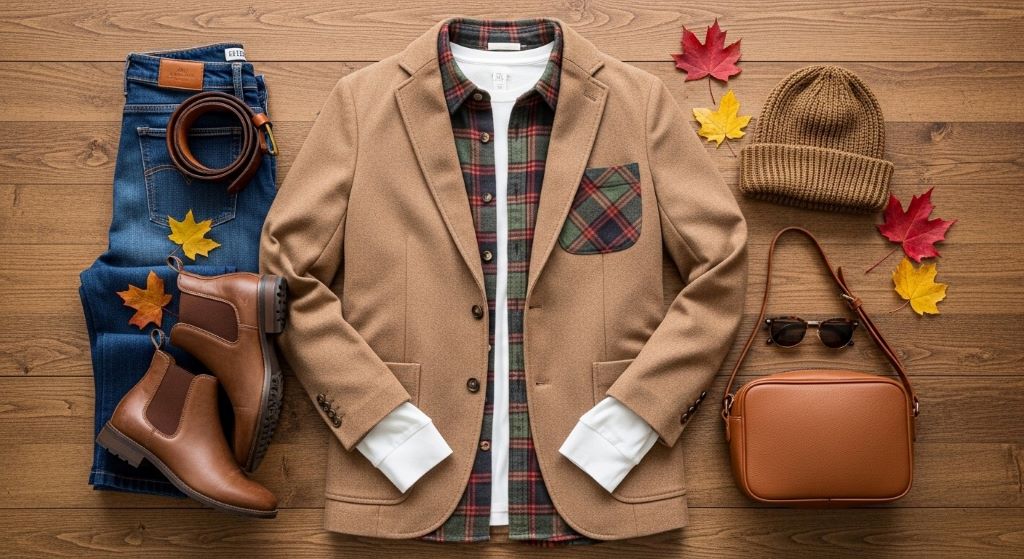
A blazer instantly elevates a fall outfit. It works equally well in casual and smart settings. For a relaxed look, try a slightly oversized blazer over a crewneck sweatshirt. For a more polished appearance, layer it over a crisp button-down shirt. Additionally, blazers come in rich fall tones like camel, olive, and charcoal, which make them easy to incorporate into a seasonal wardrobe.
The Versatile Bomber Jacket
The bomber jacket is a modern fall staple. It has a slightly sporty feel that pairs well with both casual and smart casual outfits. Layer a bomber over a hoodie or a light knit for a relaxed weekend look. Alternatively, wear it over a turtleneck and tailored trousers for a more elevated style. Therefore, the bomber is a great option for those who want effortless, contemporary layering.
The Structured Field Jacket
The field jacket, also known as a utility jacket, is a fall favorite for good reason. It has a slightly relaxed fit with useful pockets and a rugged texture. It works beautifully over a flannel shirt or a light sweatshirt. The field jacket leans into the earthy, autumnal aesthetic that defines fall fashion. Furthermore, its neutral tones make it easy to mix with most colors in your wardrobe.
Color Coordination Tips for Fall Layering
One of the biggest challenges in layering is making sure all your pieces work together visually. However, with a few simple color rules, you can create outfits that look intentional and harmonious every time.
Start with a neutral base. White, gray, navy, and black are all safe choices for your base layer. These colors work with almost everything and allow your outer layers to take center stage. From there, you can introduce fall tones in your middle and outer layers.
Tonal dressing is a powerful technique used by stylists. This involves wearing different shades of the same color in one outfit. For example, pairing a cream base shirt with a caramel flannel overshirt and a cognac leather jacket creates a warm, cohesive look. Each piece is distinct, but they all belong to the same color family.
Additionally, do not be afraid of mixing patterns. A plain base layer allows you to layer a plaid flannel shirt without it feeling overwhelming. The key is to keep one pattern dominant and the others subtle. Therefore, if you are wearing a bold check shirt, keep your jacket in a solid, complementary color.
Proportions and Fit: The Golden Rules of Layering
Even the most beautiful individual pieces can look off if the proportions are wrong. Stylists pay close attention to how each piece relates to the others in terms of length and volume.
A general rule is to go from thinner to thicker as you add layers. Your base layer should be the most fitted piece. Your middle layer can be slightly looser. Your outer layer should be the most relaxed in fit. This creates a clean, structured silhouette that does not look bulky.
Length is equally important. As a general guide, each layer should be slightly longer than the one on top of it. For example, letting a shirt hem peek below a jacket adds intentional layering detail. Similarly, allowing a turtleneck collar to rise above a bomber jacket neckline creates a purposeful, finished look.
However, there are exceptions. Oversized outer layers can work beautifully when balanced with slimmer pieces underneath. A cropped jacket over a longer shirt creates an interesting contrast in length. Therefore, experiment with proportions to find what works best for your body type and personal style.
Simple Fall Layering Combinations to Try
Sometimes the easiest way to learn is through specific examples. Here are some tried-and-tested layering combinations that stylists love for fall.
Casual Weekend Look:
- White crew-neck T-shirt as the base layer
- Olive flannel overshirt left open as the middle layer
- Light wash denim jacket as the outer layer
Smart Casual Office Look:
- Light blue Oxford button-down as the base layer
- Camel crewneck sweater as the middle layer
- Charcoal wool blazer as the outer layer
Relaxed Street Style Look:
- Black turtleneck as the base layer
- Grey zip-up hoodie as the middle layer
- Olive bomber jacket as the outer layer
Each of these combinations follows the same basic principles. The layers progress from fitted to relaxed. The colors are coordinated without being identical. Additionally, each piece adds something new to the overall look without competing with the others.
Common Layering Mistakes and How to Avoid Them
Even experienced dressers make layering mistakes. Knowing what to avoid is just as helpful as knowing what to do. Here are some of the most common errors and simple ways to fix them.
- Wearing too many bulky pieces at once. Stick to one heavy piece per outfit and keep the others lightweight.
- Choosing pieces in clashing colors or conflicting patterns. Always check that your layers work together as a group before stepping out.
- Ignoring fit. Even the most stylish pieces will look sloppy if they are too large or too tight. Therefore, always consider how each piece fits your body.
- Layering pieces of the same length. Varying the lengths of your layers adds depth and avoids a flat, one-dimensional look.
- Forgetting about the collar and cuff details. These small details are what separate a thoughtful layered outfit from a random pile of clothes.
Accessories That Complete the Fall Layered Look
Accessories are the finishing touches that bring a layered outfit together. However, with so many layers already in play, the key is to keep accessories simple and purposeful.
A scarf is the most natural fall accessory for a layered look. It adds warmth and style without competing with the jacket or shirt underneath. Choose a scarf in a neutral or complementary tone to your outfit. A chunky knit scarf in oatmeal or rust can elevate even the most basic layered combination.
A watch or simple bracelet adds a touch of personality at the wrist. This is especially effective when you have a shirt cuff peeking out from a jacket sleeve. Additionally, a well-chosen beanie or cap can complete the overall look, particularly for casual fall outfits. Keep hats simple and in tones that match your outfit palette.
Conclusion
Layering shirts and jackets like a stylist in fall does not require a large wardrobe or a big budget. It requires an understanding of a few simple principles. Start with a clean base layer, build with a thoughtful middle layer, and frame everything with a well-chosen outer layer.
Pay attention to fit, proportion, and color. These three elements are what turn a random combination of clothes into a polished, intentional outfit. Additionally, do not be afraid to experiment. The best way to develop your own layering style is to try different combinations and see what feels right.
Fall fashion is about embracing the season fully. Therefore, use the cooler temperatures as an invitation to explore texture, depth, and warmth in your everyday outfits. With practice and a little creativity, you will be layering like a professional stylist in no time.
Frequently Asked Questions
1. How many layers should I wear in the fall?
Most fall outfits work best with two to three layers. A base layer, a middle layer, and an outer jacket or coat give you enough flexibility to adapt to changing temperatures. However, you do not always need all three. On milder days, a base layer and a light jacket may be all you need. The key is to keep each layer lightweight so the combination does not become too heavy or bulky.
2. Can I layer a hoodie under a jacket in fall?
Yes, layering a hoodie under a jacket is a popular and stylish choice for fall. It works best with casual outerwear like bomber jackets, denim jackets, or field jackets. Choose a slim or regular-fit hoodie to avoid adding too much bulk. Additionally, letting the hood sit neatly over the collar of the jacket gives the outfit a relaxed, street-style finish.
3. What colors work best for fall layering?
Fall layering looks best in warm, earthy tones. These include camel, rust, olive, burgundy, burnt orange, and navy. Neutral shades like white, gray, and black also work well as base colors. They provide a clean foundation that allows bolder fall tones to stand out in the middle and outer layers. Therefore, building your fall wardrobe around these core colors will make mixing and matching much easier.
4. How do I layer without looking too bulky?
The best way to avoid bulk is to choose lightweight fabrics for your inner layers. Fitted T-shirts, thin long-sleeve shirts, and fine-knit sweaters keep volume minimal. Additionally, follow the principle of moving from fitted to relaxed as you add layers outward. Avoid wearing two heavy or thick pieces at the same time. One substantial outer layer paired with lighter pieces underneath creates a stylish, structured look without excess volume.
5. What type of jacket is most versatile for fall layering?
The denim jacket and the blazer are two of the most versatile options for fall layering. A denim jacket works with casual outfits and pairs well with a wide range of shirts and colors. A blazer is slightly more formal and can be dressed up or down depending on what it is worn over. Furthermore, both styles come in classic fits that work well over most middle and base layer combinations, making them smart investments for a fall wardrobe.
Related Topics:
Seven Most Flattering Dress Types
Try these fun crochet projects for winter
